Damp and mould are common household problems in the UK, especially during winter. Cold weather, closed windows, and everyday habits like drying clothes indoors can quickly lead to excess moisture building up.
Home insurance doesn’t cover mould removal or damage caused by gradual damp or condensation, as these are classed as maintenance issues. So let’s explore some ways to reduce moisture and keep both you and your home healthy.
What causes damp and mould in a home?
Damp and mould in the home are usually linked to excess moisture that has nowhere to escape. Understanding the cause is the first step towards stopping it.
Common causes of damp in houses:
- Poor ventilation: Everyday activities like cooking, showering and drying laundry release moisture into the air. If that air can’t circulate or escape, damp conditions develop.
- Condensation build-up: Particularly on cold walls, ceilings and windows, where warm, moist air hits a cold surface and turns into water droplets.
- Leaks and penetrating damp: Often caused by damaged roof tiles, cracked brickwork or faulty guttering, allowing water to seep into walls.
- Rising damp: This tends to affect older properties where the damp-proof course has failed or is missing, drawing moisture up from the ground.
What causes black mould specifically?
Black mould thrives in persistently damp conditions. It’s most commonly found in bathrooms, kitchens and bedrooms where condensation is frequent. Long-term moisture problems, such as recurring condensation or untreated leaks, create the ideal environment for black mould to thrive and spread.
Why are damp and mould a problem?
Damp and mould are more than just unsightly; they can affect both your well-being and the structure of your home.
How does mould affect your health?
Damp and mould within the home can produce allergens and irritants that can be harmful, particularly for people with underlying health conditions or weakened immune systems. Dampness alone can increase the risk of health problems, without visible mould being present. Even if you don’t think they don’t pose a risk to you, it’s a good idea to stay aware and take steps to protect you and your home.
If you rent your home, you should be aware that private and social landlords have to comply with several regulations relating to damp and mould. For more information and government guidance, head here.
How does damp and mould damage your home?
Moisture can cause paint to peel, wallpaper to lift, and plaster to crumble. Over time, untreated damp can weaken walls and damage timber. Persistent damp may also reduce your property’s value and make it harder to sell, as buyers often see it as a sign of deeper structural issues.
Why is the risk of damp and mould higher in winter?
Winter creates the perfect conditions for damp problems to develop. For example, drying clothes indoors releases a large amount of moisture into the air. Heating, cold spots and poor ventilation can also cause problems. While heating does help reduce condensation by keeping surfaces warmer, inconsistent heating can make things worse as cold spots on walls and windows attract moisture from warm air.
How to prevent damp and mould in your home:
Preventing damp is often about small, consistent habits rather than major changes:
- Improve ventilation throughout your home: Open windows for short periods each day, even in winter, to let moist air escape safely. Trickle vents can also help maintain airflow without making rooms too cold, while extractor fans in kitchens and bathrooms should be used during and after cooking or showering.
- Control moisture and condensation: Using pan lids when cooking, wiping down wet surfaces and allowing steam to clear after showers all help reduce moisture levels. Avoid blocking air vents and try to leave space around furniture so air can circulate freely.
Do dehumidifiers prevent mould?
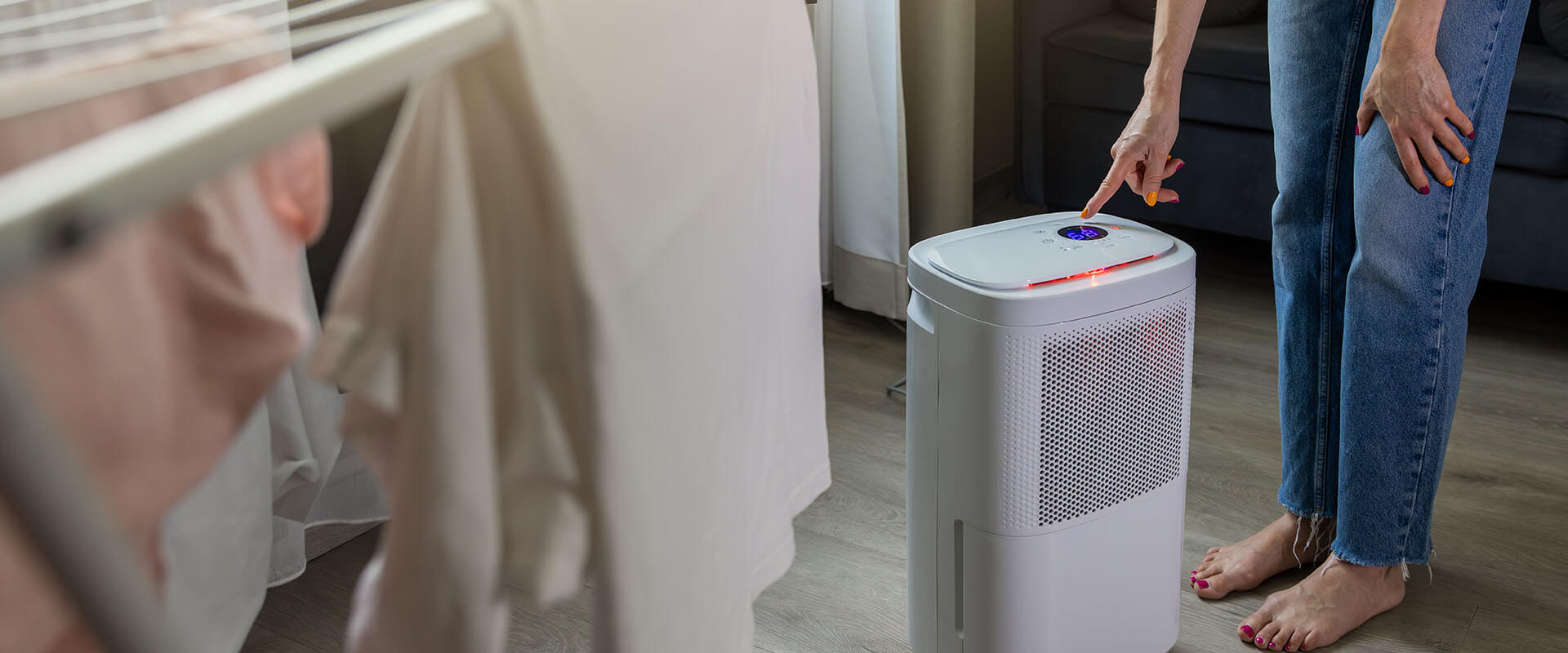
Dehumidifiers can help reduce moisture in the air and are useful in problem areas or during colder months. However, they don’t fix the underlying cause. If mould keeps returning, it’s likely due to poor ventilation, leaks or structural damp that needs addressing.

Tips for preventing mould in specific rooms
How to prevent mould in bedrooms
Bedrooms are often cooler and less ventilated overnight. Avoid pushing beds and wardrobes directly against external walls and keep airflow behind furniture. Try to heat bedrooms consistently and open windows briefly each morning to release overnight condensation.
How to stop mould in bathrooms
Bathrooms produce high levels of steam. Always use the extractor fan during showers and ideally keep it running for at least 15 minutes afterwards. If possible, open a window after bathing (if your bathroom has one) and wipe down tiles and seals regularly to stop moisture from lingering.
How to stop mould on windows
Condensation on windows is common in winter, so wipe frames and sills daily if moisture builds up. Make sure trickle vents are open, and curtains or blinds don’t block airflow around the glass.
Early signs of damp and mould to look out for
Catching damp early can prevent more serious damage:
- Visual signs on walls and ceilings: Look out for discoloured patches, peeling paint, bubbling wallpaper or black spots, especially in corners and near windows.
- Smells, condensation and recurring patches: A musty smell often signals hidden damp. Constant condensation on windows or mould that keeps coming back after cleaning suggests an underlying issue.
- When damp may be hidden behind walls: Damp can sit behind plaster or inside wall cavities. Cold or damp-feeling walls, along with persistent mould, may indicate hidden moisture.
When to call a professional for damp or mould
Professional help is usually needed if mould covers a large area, keeps returning after cleaning, or if dampness is caused by structural issues. Surveyors and damp specialists can identify hidden problems and recommend appropriate treatments, helping prevent further damage.
Damp and mould can build up quietly in homes, especially during colder months, and cause more damage than many people realise. Taking small steps now to look after your home can help keep it healthier, stronger and in better shape for the years ahead.
You might also be interested in

Lower your home running costs
Tips to help you save on day to day home running costs
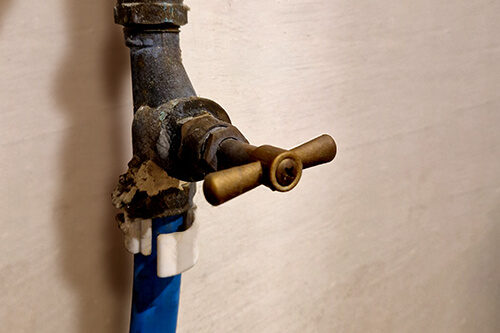
Finding and using your stop tap
Knowing where your stop tap is and being able to turn it off when needed can be really important – after all, you never know when you could be affected by a leak or a burst pipe.