
Nothing quite beats having friends and family over for a barbecue or relaxing by the fire pit on a warm summer evening. As fun as a day in the sun can be, accidents can still happen, so it’s important to stay aware of any potential fire risks.
Fire hazards are obviously a worst-case scenario, but a few simple suggestions can help you enjoy a safe, responsible summer. Here are our top summer fire safety tips for making the most of the warmer weather while it lasts.
How can a hot summer put you at risk of fire damage?
Warm summer weather can dry out greenery, which makes it much easier for it to catch fire. While natural wildfires are rare in the UK, these conditions can create a tinderbox effect if people are careless about fire safety outdoors.
Discarded cigarettes, flammable liquids, barbecues and faulty circuitry can start fires in a dry climate, and with very little rain or shade to dampen the effects, these fires can spread if they’re not extinguished fast.
What to watch out for
Here are a few things you can do around the house and garden to enjoy a fireproof, stress-free summer:
Barbecue and fire pit safety
Barbecues and fire pits are two of the leading causes of fires during the summer. If left unattended, the stray embers can ignite nearby flammable surfaces. Make sure to keep your barbecue or fire pit on a stable, flat surface, away from flammable materials such as sheds, fences or trees.
When using a barbecue, it can be tempting to add extra sources of fuel to increase the heat, but this can lead to your fire becoming difficult to control. Humberside Fire & Rescue advise that you should only use recognised fire lighters or starter fluids, and that these should be used on cold coals rather than lit flames. If you’re using a gas barbecue, be sure to check for any possible leaks before use.

Children and pets can be unpredictable at the best of times, and adding in the excitement of everyone being outdoors can increase this. Fire Scotland recommends setting up a safe zone to help keep them protected. Keeping them as far away as possible from the fire source and garden games should not take place near any barbecues or fire pits.
Once you’re finished, extinguish the fire safely using water, then allow the surface to cool completely before attempting to move or clean it. To get rid of ashes, ensure they are cold before disposing of them in garden soil. Never dump hot ashes, especially in wheelie bins, as this will melt the plastic and cause house fires.
Disposable barbecues can also be dangerous if handled incorrectly. London Fire Brigade’s advice is to always ensure your disposable barbecue is extinguished fully, as they can cause grass fires if left unattended.
Reflected sunlight
As anyone who’s come back from a summer holiday sporting a sunburn knows, you shouldn’t underestimate the power of a sunny day! This is especially true if sunlight is reflected by glass, mirrors, or other shiny surfaces.
The most common causes of reflected sun fires are concave mirrors (like shaving mirrors found in bathrooms) and glass ornaments, but even flat surfaces can start a fire in the right circumstances. While these types of fires are rare, there are still a few steps you can take if you’re concerned about the concentrated beams your decor is reflecting.
Clear your windowsills of any high-risk items if you know the weather will be especially sunny or draw your curtains or blinds to keep your rooms dark. You can also temporarily cover your mirrors if you notice a strong beam of light hitting them. Household objects like towels, blankets, and bedding can serve as a quick alternative.
Dry lawn cutting fires
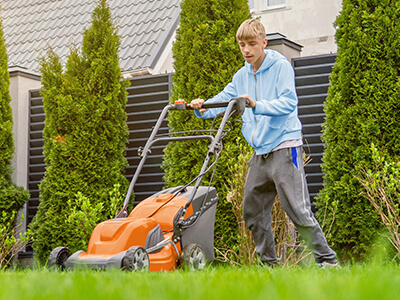
Looking to get your lawn back in shape this summer? While you may be eager to start trimming the grass, it’s important to remember that a lawnmower is a heavy piece of machinery that requires safety measures to use properly. If you’re using a mower in hot, dry weather, your lawn cuttings may be especially prone to fires.
To reduce the risk of fires, try mowing your lawn early in the morning (before 10 am), as this will help you avoid peak noon temperatures. You should also perform routine maintenance checks on your mower to ensure that its spark arrester is functioning properly and there are no obstructions. If the metal blades of your mower hit hard materials like rocks, metal, or dense dirt, they can cause fire-starting sparks to fly, so a spark arrester is essential.
Lawnmowers can also reach extremely high temperatures, especially around the exhaust and the engine. Always keep an extinguisher or hose handy in the event of a fire and give your mower a break if you notice it overheating.
Make a claim with esure
If your home is damaged in a fire, esure’s home insurance cover could help. Our insurance policies are designed to help you get back on your feet after accidents, break-ins, or other issues out of your control.
Whether you’re looking for buildings insurance, contents insurance, or both, we’re here to lend a helping hand whenever you need it.
If you’re already an esure customer, notify us of your claim to see how we can help you recover from an accident. If you’re not already covered by esure and would like to get a quote you can find out more here.
Unfortunately, we can’t cover you for every eventuality, so it’s important to be aware of the limitations and exclusions which apply when claims are received for fire-related damage.
Limitations & exclusions:
- Loss or damage caused by tobacco burns, scorching, singeing, melting, warping, or other forms of heat distortion is not covered unless accompanied by flames.
- Scorching, melting, discolouration, singeing or tobacco burns are not considered fire damage unless there has been combustion of the item.
- Scorching of furniture left too near to an open fire or gas fire for a period would not be considered as fire damage.
- Claims for heat damage resulting from an iron or radiator and scorch marks on kitchen worktops due to a hot pan being placed on a worktop are not considered fire damage.
However, if you have Accidental Damage cover on your policy you may be covered for some unexpected events.
For more information relating to what is and isn’t covered by esure’s home insurance, head here.
You might also be interested in

Make your garden a home for wildlife
Making your garden more wildlife friendly is easier than you might think. Start small with these simple ideas.

How to achieve a sustainable home
Simple changes at home can make a big difference to the environment and may even save you money.