
There’s something really satisfying about spotting a bee on your flowers or hearing birds in the morning while you’re making a cup of tea. The nice thing is you don’t need a huge garden or a complete redesign to make that happen. A few small changes can turn almost any space into a wildlife garden that supports local nature.
Summer is the perfect time to start. Plants are in full growth, insects are thriving, and wildlife is actively searching for food and shelter. With a bit of thought, your garden can become a welcoming space for all of it.
Why your garden matters for UK wildlife
Wildlife in the UK is under increasing pressure; urban development, changing weather patterns and tidy outdoor spaces mean fewer places for animals and insects to live and feed. That’s where your garden comes in, as even a small outdoor space can act as a mini nature reserve. According to The Wildlife Trusts, gardens can provide essential habitats and help connect green spaces, allowing wildlife to move more freely. You don’t need a large lawn or a big planting scheme; a few pots, a window box or even a corner left slightly wild can all make a difference.
What wildlife needs to thrive
Before getting stuck into wildlife garden ideas, it helps to understand what animals and insects are actually looking for. It’s surprisingly simple:
- Food: Bees, butterflies and birds all rely on plants for food. Flowers rich in nectar attract pollinators, while seed-producing plants can support birds later in the year. The RSPB highlights the importance of planting a mix that provides food across different seasons.
- Water: Wildlife needs access to water, but that doesn’t mean installing a pond. A shallow dish or bowl filled with fresh water can be enough for birds and insects to drink, just make sure it’s topped up regularly and placed somewhere safe.
- Shelter: Animals need places to rest and hide. That could be dense plants, a small pile of logs or even a patch of grass left to grow a bit longer. These simple features give insects and small creatures somewhere to live.
Easy ways to start a wildlife garden
Creating a wildlife-friendly garden doesn’t need to feel like a big project. Start small and build on it over time. Here are some simple ideas to make your space feel more welcoming:
- Let parts of your garden grow a little wilder: A perfectly tidy garden might look nice, but it doesn’t offer much for wildlife. Leaving a corner a bit more natural, allowing grass to grow slightly longer or letting plants seed can all help create a more inviting space.
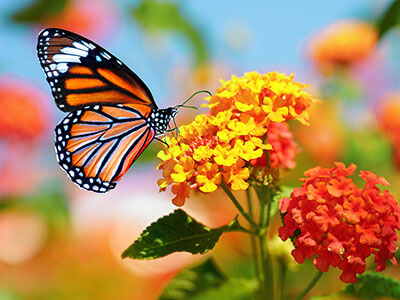
- Add pollinator-friendly plants: Planting flowers that attract bees and butterflies is one of the easiest ways to support wildlife. We suggest choosing plants that flower at different times to keep food available throughout the seasons.
- Provide water in simple ways: A shallow dish with water can quickly become a busy spot for birds and insects. Adding a few small stones gives bees somewhere to land safely while they drink.
- Reduce pesticides and chemicals: Cutting back on chemicals helps protect insects, which in turn supports birds and other wildlife. Natural gardening methods are a simple step towards a more nature friendly garden.
Wildlife garden ideas for small spaces
Not everyone has a large garden, but that doesn’t mean you can’t get involved in gardening for wildlife.
- Balcony and patio ideas: Pots and planters can create a mini wildlife garden. Mixing different plants adds variety and attracts more insects. Just a few well-chosen containers can support pollinators. Grouping plants together can make it easier for insects to find them.
- Window boxes that attract pollinators: A window box filled with colourful, nectar-rich flowers can bring bees right to your window. It’s a small change that has a big impact.
What to plant for a wildlife-friendly garden
Choosing the right plants is key when creating a wildlife garden, but you don’t need dozens of varieties, just a thoughtful mix.
Bright, open flowers are the easiest for pollinators to access. The Woodland Trust recommends plants like forget-me-not, red campion, foxglove and chamomile as great nectar sources for bees and butterflies.
Plants that produce berries or seeds can also help attract birds and provide food throughout the year. Native species tend to work best too, as they’ve evolved alongside local wildlife and are better suited to supporting local ecosystems.
Simple ways to encourage more wildlife into your garden
Once you’ve got the basics in place, a few small habits can help bring even more life into your space. Not every part of your garden needs constant attention and leaving some areas undisturbed gives nature the chance to do its thing.
Creating a natural shelter can help, as a simple pile of logs or leaves can quickly become a home for insects and other small creatures. It doesn’t need to look perfect to be effective. Bird feeders can also make a difference, especially when food is scarce, and keeping them clean and topped up helps make sure they stay safe and useful for wildlife.
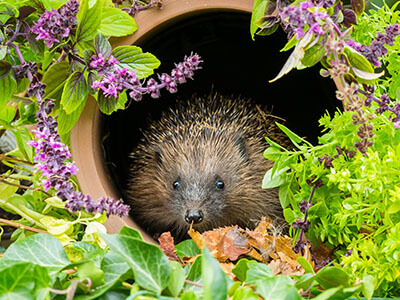
You might also consider creating a hedgehog highway. The Wildlife Trusts has put together a helpful guide on how to create safe pathways and shelter for visiting wildlife. Hedgehogs can travel for up to a mile each night searching for food but enclosed gardens can often block their routes, adding small holes in fences can help them move freely.
Looking after your garden tools, equipment and furniture
As your garden becomes more wildlife-friendly, you’ll probably find yourself spending more time outdoors. That means tools, furniture and equipment might be left outside more often.
Storing items securely in a shed or storage box can help protect them. It’s also worth knowing what your home insurance covers when it comes to garden equipment.
With esure contents insurance, we aim to cover the furniture in your garden for up to £2,000. If any piece of your furniture costs £1,500 or more, then you will have to list it as a specified item.
You can take a look at esure’s garden insurance page for more detail on what is and isn’t included.
Bringing it all together
Creating a wildlife-friendly garden isn’t about doing everything at once. It’s about making small, manageable changes that build over time.
A few plants here, a water source there and a slightly less tidy corner can quickly transform your space into something that supports local wildlife. No matter the size of your garden, there’s always a way to make it a little more welcoming to nature.
Even small actions can make a big difference. As natural habitats shrink, our gardens and outdoor spaces play an important role in providing safe spaces where wildlife can thrive. By making a few simple changes, your local hedgehogs, bees and butterflies will surely thank you.
You might also be interested in

Top 10 tips to present your home at its very best
Buyers form an opinion on a home in just 8 seconds, so make that first impression count. Check out these tips to help your property stand out from the start.

How to achieve a sustainable home
Simple changes at home can make a big difference to the environment and may even save you money.