There’s nothing quite like the excitement of a road trip. A long weekend by the coast, a countryside escape or a full-blown summer adventure all come with the same pre-trip buzz: getting playlists sorted, snacks packed, and scenic stops pinned.
While it’s easy to focus on the fun parts, making sure your car is properly prepared should be right at the top of the list. A quick once-over before you set off can make all the difference, helping to make sure your car is safe, legal and ready for the journey ahead.
Checking tyres and fluid levels, confirming your MOT is up to date and making sure your insurance and breakdown cover are in place can all help you travel with more confidence. Think of it as setting yourself up for a stress-free drive, rather than dealing with unwanted surprises halfway down the motorway.
Why preparing your car matters before a road trip
Long journeys put more strain on your car than everyday driving. Tyres heat up, engines work harder, and small issues can quickly turn into bigger ones if left unchecked.
Common problems tend to be simple things that are easy to miss. Low tyre pressure, worn wipers or low fluid levels can all affect safety and performance. Guidance from the Met Office highlights the importance of basic vehicle checks before long journeys, especially during the warmer months when heat can increase tyre and engine wear.
Your pre-road trip car checklist
Before heading off, it’s worth running through a simple road trip checklist for your car. You don’t need to be a mechanic, but try to be thorough.
Tyres (pressure, tread, spare tyre)
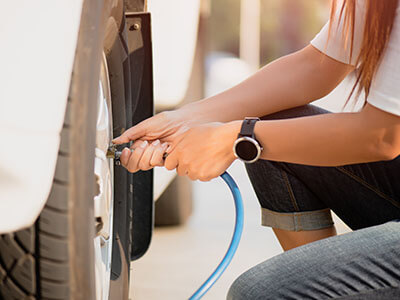
Tyres are one of the most important things to check before a long drive. Make sure the pressure matches your vehicle’s recommended levels and that the tread depth is legal and in good condition. Don’t forget the spare tyre (it’s easy to overlook until you actually need it. If you don’t have a spare taking along a tyre repair kit could be useful).
Oil, coolant and fluid levels
Your engine relies on the right fluid levels to run properly. Check oil, coolant and screen wash before setting off. Topping these up takes minutes and can prevent overheating or poor visibility on the road.
Lights, indicators and battery
All lights should be working properly, including brake lights and indicators. A quick walk around the car can confirm everything is in order. If your battery has been struggling or your car has been sitting unused, it’s worth getting it checked ahead of time.
Brakes and windscreen wipers
Brakes should feel responsive and smooth. Any unusual noises or vibrations should be looked at before a long journey. Windscreen wipers are just as important, especially if you run into sudden rain. Clear visibility makes a huge difference to safety.
What to check before driving abroad
Planning a trip outside of the UK adds a few extra steps, but nothing too complicated if you’re organised.
Documents you’ll need (licence, insurance, V5C)
Make sure you have all the right documents with you, including your driving licence, insurance details and vehicle log book. Requirements can vary, so it’s worth double-checking before you travel. Guidance can be found here gov.uk.
Country-specific requirements (e.g. kits, stickers)
Some countries require additional items in your car, such as warning triangles, reflective jackets or headlamp converters. It’s a good idea to check the rules for your destination in advance so nothing catches you out.
Understanding your insurance and breakdown cover
Before you travel, take a moment to check what your policy includes; review your documents to confirm you have the right level of cover, especially if you’re heading abroad.
With esure, European car insurance is included as a standard in your car insurance policy, giving you up to 90 days of cover across the green card free circulation area per policy year with the same level of protection as you have in the UK.
The RAC provides guidance on what to prepare ahead of driving in Europe, or you can take a look at esure’s guide to driving abroad for a helpful overview of what to expect and what you’ll need.
Road safety checklist for long journeys
Getting your car ready is one part of the equation. Planning the journey itself is just as important.
Planning your route and rest stops
A bit of planning goes a long way. Mapping out your route and identifying rest stops can help avoid last-minute stress. Long drives feel much easier when you know where you’ll take breaks.
Avoiding driver fatigue
Fatigue can creep in without warning, especially on long motorway stretches. Regular breaks, stretching your legs and staying hydrated all help keep you alert. Swapping drivers if possible is always a good idea. You can check who's named on your policy, or add someone if needed, via the app or by logging into your account.
Checking the weather and driving conditions
The weather can change quickly, even in summer. Checking conditions before you leave and during the journey can help you prepare for anything ahead. Advice from the Met Office encourages drivers to stay aware of changing conditions, particularly during longer trips.

Don’t forget these in-car essentials
This is where your road trip essentials come into play. Not the fun extras, but the practical bits that make a real difference.
Emergency kit (first aid, warning triangle, torch)
A small emergency kit can be incredibly useful. A first aid kit, a warning triangle and a torch are all worth having within easy reach.
Navigation and charging essentials
Sat nav, phone chargers and power banks keep you connected and on track. Losing directions mid-journey is never ideal, so having backups helps.
Comfort basics for longer drives
Think water, snacks and anything that makes the drive more comfortable. Road trip comfort essentials don’t need to be fancy, just practical.
Final checks before you set off
Before you head off, take a few minutes for a final look over your car. Check tyre pressure one last time, make sure everything is packed securely and confirm your route.
It’s also a good moment to check your policy details and breakdown cover, just to be sure everything is in place. Knowing what’s covered can help you feel more prepared for the journey ahead.
With your car ready, your route planned, and your essentials sorted, you’re all set to enjoy the drive!
You might also be interested in

New car technology
What safety, EV & Smart Features are leading the way