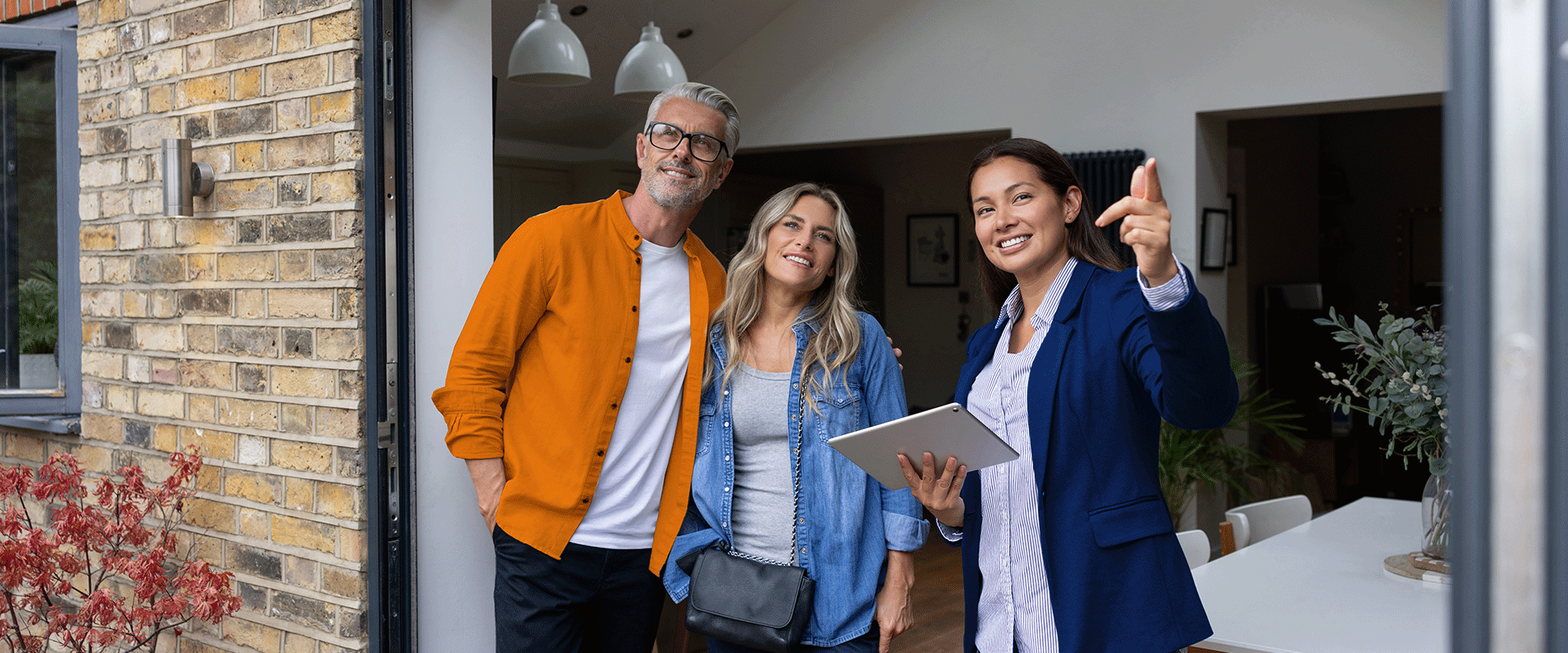
Putting your home on the market is exciting, but it can also feel a little daunting. The good news is that some of the most effective things you can do to appeal to buyers aren’t going to break the bank.
From the moment a buyer pulls up outside to the second they step into your living room, every small detail shapes the impression your home makes. This guide is packed with practical, research-backed tips to help you present your home at its very best and give yourself the best possible chance of a swift and successful sale.
Quick Facts:
- It takes a buyer 8 seconds to decide if they like a home.
- Strong kerb appeal can increase property's asking price.
1. Kerb appeal matters
First impressions happen quickly, and for many buyers, they’re made before anyone has even stepped inside. In fact, HOA have found from a YouGov survey of over 2,000 UK adults 68% of buyers say kerb appeal influenced their decision to buy.
If you’re unsure where to begin, head to the end of your street and look back at your home as though you’re seeing it for the first time. What catches your eye? What stands out?
A few simple improvements can make a big difference. Sweep the path, mow the lawn, tidy up the entrance, and consider adding a potted plant or a hanging basket on either side of the door to create a more welcoming feel.
2. Don’t forget to declutter
Clutter is one of the biggest turn-offs for buyers, as it can make rooms feel smaller, darker, and less inviting. It can also make it harder for people to picture themselves living in the space.
The key is to declutter without stripping your home of all personality. A space with no character can feel cold, so aim for a home that feels clean, tidy and thoughtfully lived in.
Start by clearing kitchen worktops, leaving only one or two carefully chosen items, such as a stylish kettle or a small plant. Remove any extra furniture that makes rooms feel cramped and edit shelves and surfaces so only pieces that add charm remain. It’s also worth checking inside cupboards, as buyers often look there too, so avoid letting them become a catch-all for everyday clutter.
3. The power of a deep clean
Nothing says neglect quite like grime, and buyers often spot the details you’ve stopped noticing. A thorough deep clean is one of the most effective things you can do before putting your home on the market.
It’s worth considering a professional pre-sale clean. The cost is usually modest compared with the impression it creates, and it gives you a strong starting point that’s much easier to maintain ahead of each viewing with a quick tidy-up.
4. Fix the little things
A dripping tap. A sticking door. A blown bulb in the hallway. These small issues might not seem like a big deal, but to a buyer, they can prompt a bigger concern: what else may have been overlooked?
Simple jobs like replacing blown bulbs, fixing squeaky hinges, easing sticking doors, and touching up cracked or peeling paintwork are usually quick and affordable. Still, they can make a real difference to how well your home is received.
If left unchecked, everyday wear and tear can make buyers question the property's overall condition and may even give them room to negotiate the price.
5. Make the most of natural light
Light can have a huge impact on how a home feels. Bright, airy rooms often seem larger, cleaner and more welcoming, while darker spaces can feel smaller and less inviting, even in an otherwise lovely home.
Before every viewing, open curtains and blinds fully to let in as much daylight as possible. Swap dim bulbs for warm LED alternatives and add lamps to darker corners in living rooms and bedrooms to create a softer, more inviting feel.
Timing matters too. If you can, arrange viewings during daylight hours. For evening appointments, make sure every room is warmly lit to create a cosy atmosphere.
6. Science behind scent
Scents can play a surprisingly important role in how buyers feel about a property. AnthonyPepe have reported that in a survey of 1,015 UK adults, 86% said the smell of a home could influence whether or not they decide to make an offer.
That classic estate agent trick of baking fresh bread or cookies before a viewing isn’t just a cliché. Familiar scents such as vanilla and cinnamon are known to create positive emotional associations and can help a space feel warmer and more welcoming.
Just keep it subtle. The aim is a clean, inviting home, not anything overpowering.
7. Stage the house
Buyers aren’t just buying walls and floors, they’re imagining the life they could have there. Good staging helps them picture themselves in each room and understand how the space could work for them.
Set the dining table, add fresh flowers in the kitchen or hallway, and make sure each room has a clear purpose. If a spare room has become a storage area, clear it out and present it as a home office or guest bedroom instead. In the bathroom, put out fresh towels, keep surfaces clear, and add a simple plant or candle. In the bedroom, dress the bed with neutral bedding (think boutique hotel).
You don’t need to buy new furniture to make an impact. Often, it’s simply a case of rearranging what you already have and removing anything that distracts. A few carefully chosen finishing touches, such as a throw, a vase or a well-placed lamp, can transform the feel of a room.
8. Choose shades that sell
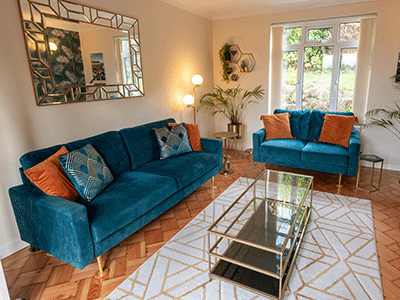
The colours in your home do more than decorate, they shape how buyers feel when they walk in. If you're considering a quick repaint before selling, stick to shades that feel calm, bright and easy to live with, then add warmth and character through accessories and soft furnishings.
Some buyer-friendly options include:
- Warm whites and off-whites make rooms feel bright and airy without feeling clinical
- Soft greens and sage tones: Bring in a sense of calm and connection to nature, particularly effective in kitchens and bathrooms
- Light blues and duck egg create a soothing, dependable feel in bedrooms
- Warm neutral beiges act as a versatile canvas that buyers can easily imagine personalising
- Avoid anything too bright or garish
The goal is a palette that feels welcoming rather than stark. Buyers need to feel they could move in and make it their own, without feeling like they're inheriting your style.
9. Be mindful of pets
We all love our pets, but not every buyer will feel the same. Pet odours, hair or visible damage can quickly put people off, even if the rest of the home looks great.
If possible, ask a trusted friend or family member to take your pets out during viewings. Hoover thoroughly, including soft furnishings and upholstered furniture, wash pet bedding, and move food bowls, toys and litter trays out of sight. A fabric spray designed to tackle pet odours can also help freshen up carpets and sofas. It’s also worth sorting any scratched doorframes, chewed skirting boards or worn patches of carpet before viewings begin.
If your dog or cat is friendly and relaxed, they can actually help a viewing feel warm and lived-in, but only if you're confident they'll behave well.
10. Set the scene
A quick five-minute reset before buyers arrive can make all the difference. Those final touches can help turn a casual viewing into a serious second visit.
Run through a simple pre-viewing checklist: open the curtains, switch on lamps, tidy surfaces, freshen the air, and make sure each room looks its best. Be warm to buyers but let them take their time looking around the house and imagining themselves in the space. Don't hover; if they have a question, they will come to you.
Small details can make a big difference when selling your home. From freshening up paintwork to letting in more natural light. With a few simple changes, you can help make that first impression count!
You might also be interested in

Lower your home running costs
Tips to help you save on day to day home running costs
Protecting your home from damp and mould
Damp and mould often develop in UK homes during winter due to cold weather, closed windows, and everyday moisture — so let’s look at how we can help prevent this.