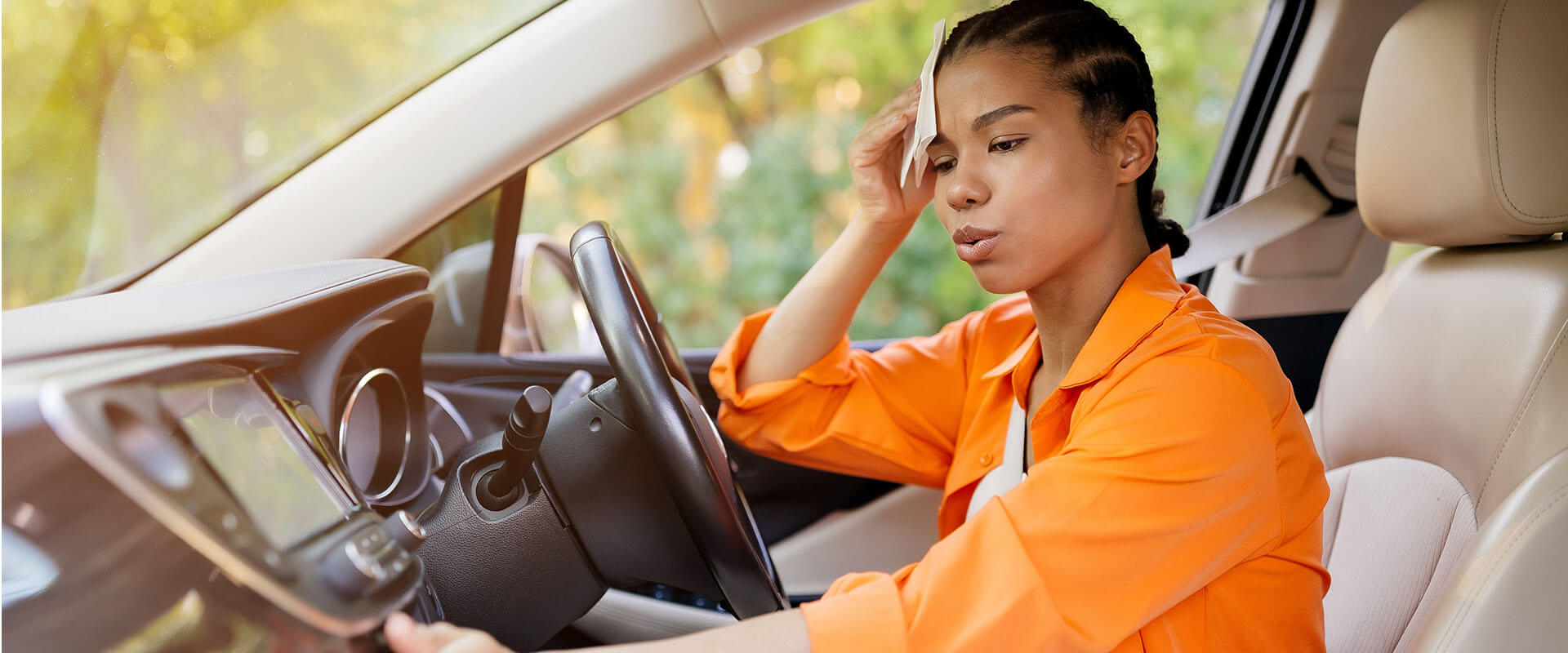
Many of us enjoy making the most of the warm weather, but when heatwaves are set to hit the UK, it’s important to prepare for extreme weather. While you’re outside working on your tan, your car might be struggling to stay cool, leading to potential damage further down the road.
Since cars are so compact, they’re liable to warm up easily, especially when they’re not in use. Next time temperatures are set to soar, keep our top tips in mind to avoid any unwelcome surprises when you get back to your car.
How can a heatwave affect your car?
Most cars are designed to function at average temperatures, since mild weather conditions are the most common climate you’re likely to be driving in. When the temperature rises though, the added heat can put a strain on your vehicle. Before you head out on your summer adventure,The Car Expert have put together a quick heatwave checklist to help keep your car running safely;
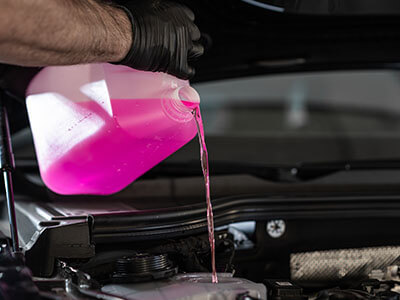
Engine coolant
In a heatwave, your engine coolant levels will likely run low. This fluid is critical for regulating your engine’s temperature, and if its levels drop enough, you risk your car’s engine overheating.
You can easily check your coolant level by looking under the bonnet of your car. The tank features handy ‘Max’ and ‘Min’ markers to show the appropriate levels of coolant required. If the fluid rests between those two markers, you’re good to go.
Tyres
Heatwaves can cause your tyre pressure to increase, as the gas that fills them expands in high temperatures. While it’s relatively easy to spot a flat or low-pressure tyre, it can be much harder to notice when pressure levels are too high, so it’s important to check regularly.
Your vehicle handbook will provide details on your optimal tyre pressure. If you notice your car has less traction, takes longer to brake, and feels bumpier to drive, check your pressure at a nearby service station and release any excess gas.
Car battery
A car battery is one of the most important parts of a vehicle, as it powers important features like your air conditioning, your dashboard, your lights, and more. Like other batteries, though, it can be prone to overheating, shutting off many of your car’s systems at a moment’s notice.
Most cars will either feature a temperature gauge or a warning light in the event that your battery is getting too warm. As soon as you notice either of these, you should pull over as soon as it is safe to do so and allow your car to cool down for at least half an hour. Once the battery is at a safe temperature again, you can refill the coolant and get back on the road.
Fuel tank
Even the most fuel-efficient cars on the market tend to use more petrol in higher temperatures than in a regular climate, which means you could be overspending at your local garage. Leaving your car idling on a full tank for days on end can also lead to a drop in fuel levels, so it’s important to plan ahead as best you can to help minimise unnecessary fuel consumption.
Air conditioning
If you’re driving in a heatwave, chances are you’ll be switching on your AC for the first time since last summer. During the colder months, your AC unit could have had a bacteria build-up, giving you an unpleasant surprise when you start the fans again.
It’s hard to tell whether your car is being flooded with germs since they’re too small to see, but if you notice yourself getting sick after a drive with the air conditioning on, it may be worth contacting a professional to give the system a deep clean.
Never leave children or pets in a parked car
Children and pets should never be left alone in a parked car during hot weather, even for a short time. Temperatures inside a vehicle can rise quickly, and opening the windows slightly does little to reduce the risk.
Even a brief stop can take longer than planned. Traffic, queues and unexpected delays can all increase the amount of time spent away from your vehicle. Children and animals are particularly vulnerable to heat-related illnesses, making a hot car a potentially dangerous environment within minutes.
If you see a child or pet showing signs of distress in a hot vehicle, call 999 immediately and seek assistance.
How to prepare for driving in a heatwave
Cars aren’t the only thing that are prone to overheating, we drivers can also be sensitive to the summer sun! If you’re particularly worried about extreme heat, it’s best to stay home until the weather subsides so you can stay safe.
If you do need to travel in warm weather, however, you can prevent issues by filling out our heatwave driving checklist:
Pack the essentials
Before you leave, make sure you have everything you need in the event of a breakdown or overheating issues. Your kit should include:
- Suncream
- Cold drinks/snacks (preferably in a cooler or cooling bag)
- Emergency breakdown kit (first aid kit, warning triangles, hi-vis vests, etc.)
- Power banks/phone chargers
Look for signs of damage
Your car’s performance can change drastically in warmer weather, so it’s vital to keep your eyes peeled for potential risks. Check for any signs that your car may be suffering from the heat, and if you see anything suspicious, contact a professional for help before making a journey.
While it’s better to be safe than sorry, there are some things you may notice your car doing in summer that are actually less problematic than they seem. For example, you may notice some of the following:
- Liquid dripping from the car. Although this can be a sign of a leak, there’s also a chance this is condensed water from your air conditioning system.
- White smoke coming from the AC. This is often water vapour that appears as your air conditioning unit struggles against the warm weather. If the smoke turns a darker colour or smells pungent, it’s worth getting checked.
- Sticky surfaces. If your car’s paintwork feels sticky after parking in the shade, it may be from residual sap left behind by nearby trees. This can easily be washed off, but it can affect your paintwork if left to harden.
- Roaring sounds from the engine in traffic. These sounds are often caused by the engine cooling fan switching on and off, as it doesn’t need to run all of the time.

Perform routine maintenance checks
In line with the RAC’s advice, you can remember all the important levels to check before a heatwave journey by using the acronym ‘FORCES’. This stands for:
- Fuel
- Oil
- Rubber (tyres)
- Coolant
- Electrics
- Screen wash
How to keep your car cool in a heatwave
Checking your car for damage is one half of the equation, but how can you keep your car cool enough to prevent that damage in the first place? Next time you’re driving in hot weather, try our best ideas for beating the heat:
Always park in the shade
Just like you when your sunbathing session starts to turn into a sunburning session, cars love shade. Whether you’re parking under a tree, using an indoor car park, or finding an alley, a less direct view of the sun goes a long way when it comes to cooling your car. The UV rays emitted by harsh sunlight are the #1 culprit for overheating the insides of your vehicle, so the more you can block them out, the easier your next drive will be.
Use a sunshade
We’ve all been in that situation where the one bit of shade in the car park is taken, so if you can’t find a suitable spot, why not bring the shade directly to your car? A sunshade is a reflective screen that you can add to your windows to keep UV radiation away, lowering the temperature in your car. Just remember to take them down before driving…
Give your air conditioning a head start
Many AC units take a while to reach their full potential, which can leave you having to deal with humid, stuffy air when you set off. To prevent this, you can kickstart your car’s air circulation by fanning out the warmer air using your car door. Before starting the car, swing your door back and forth to get cool air moving inside your car, taking care not to collide with anything in the process.
You may also want to try driving with your windows open for 10-15 minutes at the start of a journey, before winding them up and switching your AC on. Leaving your windows open while running your AC as well is highly inefficient and can impact the environment, so make sure you only do one at a time!
EV drivers are often able to access their car’s climate control from an app, so if you get the chance, try running your AC while your vehicle charges, making it cool once you’re ready to drive.
Is it safe to drive in a heatwave?
If you take all the appropriate precautions to keep yourself and your vehicle cool, driving in a heatwave typically isn’t especially dangerous. Every year, thousands of Brits pack into their cars and head to the nearest beaches to make the most of the weather, so it’s important to keep an eye on nearby traffic and ensure you can stay hydrated in long queues. Otherwise, if your car is in good condition, you should be good to go!
You can also take a look at esure’s car insurance page for more details on what circumstances are covered by our policies.
You might also be interested in

New car technology
What safety, EV & Smart Features are leading the way

How to get your car road trip ready
Planning a road trip? From coastal breaks to summer adventures, make sure you’re fully prepared before you hit the road.